


Have you ever felt upset, tired, or stressed without knowing the reason?
It happens to almost everyone. You wake up fine, but somewhere during the day your mood changes. You feel low, distracted, or even irritated. Most people ignore it and move on. But what if you could understand exactly why it happens?
That is where This Works Stress Check Mood and Manager changes everything.
Instead of guessing your emotions, this system helps you notice, track, and improve them step by step. It is simple, practical, and designed for real life. When used daily, it builds emotional awareness, improves mental wellness, and supports better stress management.
What is This Work Stress Check Mood Manager
This Works Stress Check Mood and Manager is a simple system that helps you understand your feelings.
It focuses on three main areas:
- stress tracking
- mood tracking
- emotional awareness
Rather than ignoring your emotions, you check them regularly. Over time, patterns become clear. Once patterns are understood, better decisions can be made.
This system is not complex. It is built on small daily habits that anyone can follow.
Why understanding your mood matters

Most people react to their feelings without thinking.
For example, if someone feels angry, they may blame others. If they feel tired, they may think they are lazy. But often, the real reason is hidden.
A student named Sana once felt stressed every evening. She thought it was due to studies. After using This Works Stress Check Mood and Manager, she realised her stress increased after long screen time without breaks.
This small insight helped her fix her routine.
This shows how emotional awareness leads to better control.
How This Work Stress Check Mood Manager system operates
The system follows a simple daily cycle:
- Check your stress level
- Identify your mood
- Record emotional triggers
- Take small action
- Review behaviour patterns
This cycle improves stress management and builds strong mental wellness over time.
Step by step guide to using the system

Step 1: Stress tracking
Start by checking your stress level.
Use a simple scale:
| Level | Feeling |
|---|---|
| 1 | Calm |
| 2 | Slight stress |
| 3 | Moderate stress |
| 4 | High stress |
| 5 | Overwhelmed |
This step in This Works Stress Check Mood and Manager takes only a few seconds but gives valuable insight.
Step 2: Mood tracking
Now identify your mood.
Use simple words like:
- happy
- sad
- anxious
- tired
- calm
Mood tracking builds emotional awareness and helps you notice small changes.
Step 3: Identify Emotional Triggers with This Works Stress Check Mood and Manager
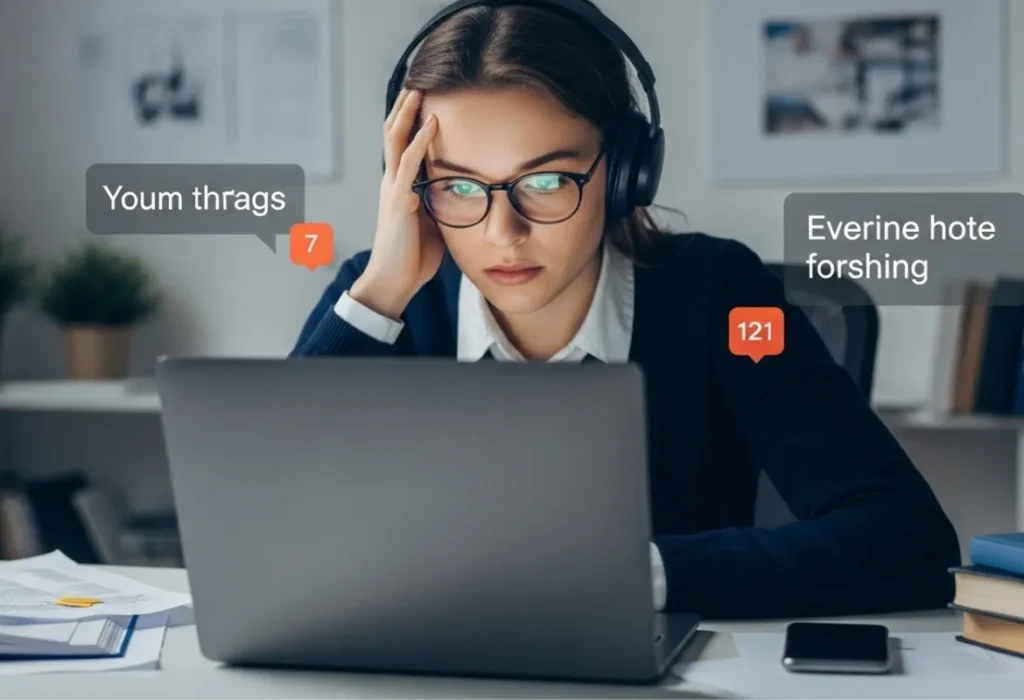
Ask yourself:
- What caused this feeling
- Was it a person, thought, or situation
Common emotional triggers include:
- workload pressure
- lack of sleep
- overthinking
- social situations
This step is the most powerful part of This Works Stress Check Mood and Manager.
Step 4: Take small action
Once the cause is clear, take a small step.
Examples:
- take a short walk
- drink water
- pause your work
- talk to someone
Small actions improve stress management and reduce negative feelings.
Step 5: Review behaviour patterns
After a few days, look back at your entries.
You may notice:
- stress increases at night
- mood drops after long work sessions
- energy improves with breaks
This is where behaviour patterns become visible.
Core elements behind the system
Emotional awareness
This means noticing how you feel without ignoring it. Emotional awareness improves decision making and supports mental wellness.
Behaviour patterns
Your daily actions affect your mood. Behaviour patterns help connect your habits with your feelings.
Stress management
Managing stress does not mean removing it completely. It means controlling how you respond to it.
Mental wellness
Mental wellness improves when you understand your emotions and respond wisely.
How this article provides better value
This guide improves user experience by:
- using simple language
- providing clear steps
- including relatable stories
- focusing on real life use
- explaining behaviour patterns
This makes This Work Stress Check Mood Manager easier to follow and apply.
Real life example of change
Ali, a university student, felt tired every day. He thought he was lazy.
After using This Works Stress Check Mood and Manager, he noticed a pattern. His mood dropped every afternoon.
The reason was simple. He skipped meals and worked continuously without breaks.
After fixing this, his energy improved.
This shows how stress tracking and mood tracking can lead to real change.
Common mistakes to avoid
When using This Work Stress Check Mood Manager, avoid:
Inconsistent tracking
Daily use is important for results.
Overthinking entries
Keep it simple and quick.
Ignoring triggers
Triggers are key to understanding emotions.
Expecting fast results
Improvement takes time and consistency.
Benefits of using the system
Regular use of This Works Stress Check Mood and Manager provides:
- better emotional awareness
- improved stress management
- stronger mental wellness
- clearer behaviour patterns
- healthier daily habits
These benefits build gradually but create lasting change.
FAQs
What are common signs of high stress levels?
Common signs of high stress include constant worry, difficulty sleeping, low energy, headaches, and irritability. Some people may also experience changes in appetite or trouble concentrating. Recognizing these signs early helps you take action before stress starts affecting your overall well-being
How can I reduce stress naturally at home?
You can reduce stress naturally by practicing deep breathing, exercising regularly, maintaining a healthy diet, and getting enough sleep. Activities like meditation, listening to music, or spending time with loved ones can also help calm your mind and improve your mood.
Can stress affect physical health?
Yes, stress can have a serious impact on physical health. It may lead to issues like high blood pressure, headaches, fatigue, and a weakened immune system. Chronic stress can also increase the risk of heart problems and other long-term health conditions if not managed properly.
When should I seek professional help for stress?
You should seek professional help if stress becomes overwhelming, lasts for a long time, or starts affecting your daily life. If you feel anxious, depressed, or unable to cope, talking to a therapist or counselor can provide guidance and support to manage stress effectively.
Final thoughts
Your feelings are not random.
They follow patterns linked to your actions, thoughts, and environment.
The problem is not stress itself. The problem is not understanding it.
This Works Stress Check Mood and Manager helps you connect everything together.
It helps you see clearly.
It helps you act wisely.
And most importantly, it helps you take control of your emotions in a simple and practical way.
Start small. Stay consistent. And you will notice the difference.