
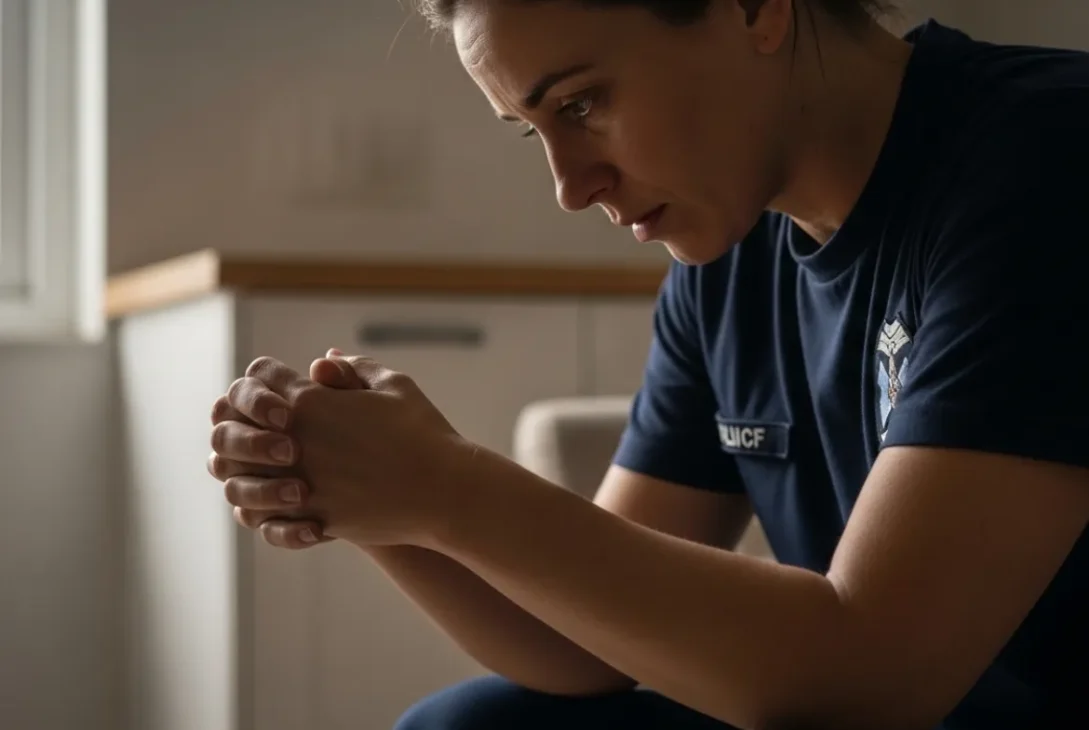
You are a paramedic. You have just spent four hours trying to save a child who did not make it. You drive home in silence. You sit at the kitchen table and stare at the wall. You tell your partner you are fine. You are not fine.
Or perhaps you are a teacher. A student in your care was involved in a serious accident. The school is in shock. Nobody talks about it properly. Everybody is just expected to carry on.
These moments do not just pass. They stay. They sit inside the body, the mind, and the nervous system, sometimes for months or years, unless something is done to help process them.
That something is called critical incident stress management.
At Heal Mind Full, we believe that understanding how trauma affects the mind is the first step towards healing. And critical incident stress management is one of the most important and proven frameworks for doing exactly that especially for people in high-stress professions and communities who face traumatic events as part of everyday life.
What Is Critical Incident Stress Management?
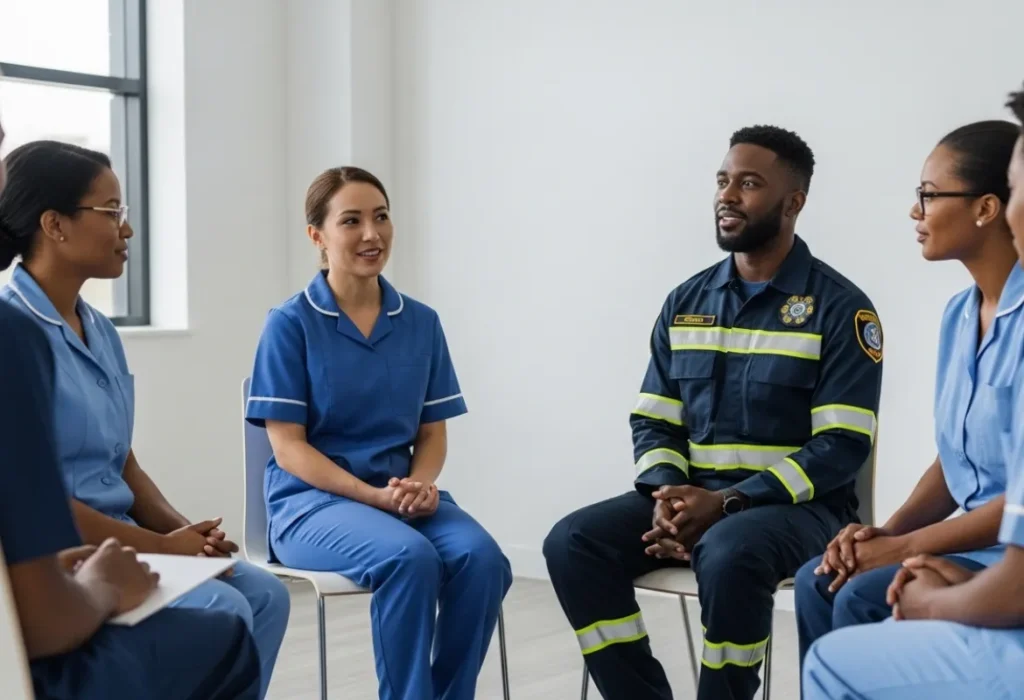
Critical incident stress management, often referred to as CISM, is a comprehensive, structured approach to helping people recover from the psychological impact of a traumatic or deeply distressing event. It was developed in the late 1970s by Dr Jeffrey Mitchell, originally designed for emergency service workers for paramedics, firefighters, police officers who regularly witnessed death, disaster, and suffering as part of their jobs.
A critical incident is any event that is powerful enough to overwhelm a person’s normal ability to cope. This can include witnessing a serious accident, the sudden death of a colleague, a natural disaster, a violent incident at work, or any experience that feels deeply threatening or shocking.
Critical incident stress management does not treat mental illness. It is not therapy. It is a structured form of psychological first aid and a way of helping individuals and groups stabilise, process, and begin to recover before trauma has the chance to take deeper root.
Today, CISM is used far beyond the emergency services. It is applied in hospitals, schools, workplaces, military organisations, and communities recovering from large-scale disasters.
Why Critical Incidents Are So Damaging If Left Unaddressed

Think of your mind as a filing system. On a normal day, experiences are processed and filed away neatly. But when something truly shocking happens, the mind cannot file it in the usual way. The experience stays unprocessed replaying, intruding, and creating physical and emotional reactions that seem to come out of nowhere.
This is what leads to symptoms of traumatic stress. Left untreated, these symptoms can develop into post-traumatic stress disorder (PTSD), depression, anxiety, burnout, or substance use problems.
Common signs that someone has been affected by a critical incident include:
- Intrusive memories or flashbacks of the event
- Difficulty sleeping or persistent nightmares
- Emotional numbness or feeling detached from others
- Irritability, anger, or sudden emotional outbursts
- Physical symptoms such as headaches, fatigue, or nausea
- Avoidance of anything that reminds them of the event
- A sense of hopelessness or feeling permanently changed
Understanding how stress affects your mental and emotional health is essential context here. Traumatic stress is not weakness. It is a normal human response to an abnormal event.
The 7 Core Components of Critical Incident Stress Management
Critical incident stress management is not a single technique. It is a multi-component system that can be applied before, during, and after a crisis depending on what is needed. Here are the seven core components:
| Component | What It Involves | When It Is Used |
|---|---|---|
| Pre-crisis preparation | Education, stress resistance training, crisis planning | Before any incident occurs |
| Large-scale support | Community briefings, school support, disaster response | During or after large-scale events |
| Defusing | Structured small group discussion within hours of incident | Same day as the incident |
| CISD debriefing | 7-phase structured group discussion | 1 to 10 days after incident |
| Individual crisis intervention | One-to-one psychological first aid | Any time post-incident |
| Peer support | Trained colleagues providing emotional support | Ongoing after an incident |
| Referral and follow-up | Connecting individuals to professional care | When further support is needed |
Each of these components works together as part of an integrated system. No single element is meant to work alone, and critical incident stress management is most effective when the full framework is applied thoughtfully and by trained practitioners.
What Happens During a CISM Debriefing: A Step-by-Step Guide
The most widely known element of critical incident stress management is the Critical Incident Stress Debriefing, or CISD. It is a structured, facilitated group discussion designed to be held between one and ten days after a traumatic event. Here is how it works:
Phase 1: Introduction
The facilitator introduces the process, explains the ground rules, and creates a safe, confidential space. Participation is always voluntary. Nobody is ever pressured to speak.
Phase 2: Facts
Group members are gently asked to describe what happened from their own perspective. This is factual and non-emotional at this stage. The aim is simply to establish a shared understanding of events.
Phase 3: Thoughts
Participants are invited to share what their first thoughts were during or after the incident. This begins to bridge the gap between the factual experience and the emotional one.
Phase 4: Reactions
This is the emotional heart of the debriefing. Participants are asked what the worst part of the experience was for them personally. Feelings of anger, sadness, grief, guilt, and confusion are all welcomed without judgement.
Phase 5: Symptoms
Group members are asked how the experience has shown up in their lives since it happened. Physical symptoms, behavioural changes, sleep disruption, and emotional difficulties are all explored here.
Phase 6: Teaching
The facilitator provides clear, accessible information about normal stress reactions, what to expect in the coming weeks, and how to take care of oneself. This phase normalises what people are going through and reduces the fear that something is permanently wrong with them.
Phase 7: Re-entry
The session is brought to a close in a calm and supportive way. Participants are connected with any follow-up resources they might need, and individual conversations are encouraged with team members after the group session ends.
The entire process typically takes between two and three hours. It is not therapy, and it is not a replacement for c. But for many people, it is the first step towards real recovery.
A Real Story: When CISM Made the Difference

Sarah is a nurse at a busy NHS hospital in Leeds. During a particularly difficult winter shift, she and her team lost three patients within a few hours despite doing everything right. The ward fell silent afterwards. People avoided eye contact. Nobody knew what to say.
Her hospital had a trained critical incident stress management team. Within 48 hours, a debrief was arranged. Not everyone wanted to attend, and nobody was forced to. But most of the team came.
“I expected it to be awkward,” Sarah said. “I thought someone would just tell us to look after ourselves and go home. Instead, we actually talked about what happened. People cried. People said things they had been carrying alone. By the end, I felt lighter not because the sadness was gone, but because I was not carrying it by myself anymore.”
Six months later, Sarah is still working in the same ward. She has sought ongoing counselling, which was recommended as part of her follow-up care. She credits critical incident stress management with helping her recognise that she needed support, and with giving her the language to ask for it.
This is what good critical incident stress management does. It does not erase what happened. It helps people begin to integrate it.
Who Needs Critical Incident Stress Management?
Critical incident stress management was originally designed for emergency responders, but its application has grown significantly. The following groups are known to benefit from CISM programmes:
Emergency services workers including paramedics, firefighters, police officers, and coastguard personnel regularly experience traumatic events as part of their role. Without structured support, cumulative trauma builds up over years and can lead to serious mental health consequences.
Healthcare workers in hospitals, care homes, and community settings face death, suffering, and moral injury on a regular basis. The pandemic made this clearer than ever. CISM provides a framework for processing these experiences before they become overwhelming.
School staff and teachers can be deeply affected by traumatic incidents involving students or colleagues. CISM adapted for educational settings can support whole-school recovery after a critical event.
Military and veterans services have long used forms of psychological debriefing. CISM provides a structured, evidence-informed approach to supporting personnel after operational trauma.
Workplace teams of all kinds can be affected by traumatic events and a serious accident, a sudden bereavement, a violent incident. Critical incident stress management helps organisations respond in a way that genuinely supports their people.
Learning how to manage stress and anxiety with practical techniques is something that complements CISM beautifully for individuals who want to build their own toolkit alongside structured support.
The Difference Between Defusing and Debriefing
One of the most commonly confused aspects of critical incident stress management is the difference between a defusing and a debriefing. Here is a simple way to understand both:
A defusing happens on the same day as the incident, usually within a few hours. It is a short, informal group discussion typically 20 to 45 minutes that aims to stabilise the group, check in on how people are feeling, and let them know what symptoms to watch for. It does not go deep into emotional processing. It is psychological first aid in its most immediate form.
A debriefing is more structured and happens one to ten days after the event. It follows the seven-phase process described above and goes much deeper into emotional processing, normalisation of symptoms, and longer-term support planning.
Neither is a substitute for ongoing therapy when that is needed. Both are designed to support groups, not individuals. And both are most effective when delivered by properly trained practitioners within a full critical incident stress management framework.
How CISM Supports Long-Term Mental Well-Being
One of the most important things to understand about critical incident stress management is that it is not a one-off fix. It is the beginning of a process. After a CISM intervention, follow-up is essential. This might include individual counselling, peer support check-ins, occupational health referrals, or ongoing group support.
Building long-term mental resilience after trauma involves many layers. Physical health plays a significant role. Research consistently shows that regular movement, good sleep, reduced alcohol intake, and meaningful social connection all support psychological recovery after a critical incident.
Discover how physical health and mental well-being are deeply connected and why looking after your body is one of the most powerful things you can do for your mind after trauma.
Mindfulness and self-compassion are also increasingly being integrated into post-CISM recovery plans. Many people who have been through a traumatic experience are extremely hard on themselves and blaming themselves for what happened, or judging themselves for how they are reacting. Self-compassion gently dismantles that self-criticism and creates space for genuine healing.
Explore the power and benefits of practising self-compassion and why it is particularly relevant for people recovering from critical incidents.
You might also find it helpful to build a clearer understanding of what mental clarity means and how to rebuild it after your mind has been disrupted by trauma.
How Organisations Can Implement a CISM Programme
If you are responsible for a team, a department, or an entire organisation, implementing critical incident stress management is one of the most valuable investments you can make in your people. Here is a practical overview of how to get started:
Step 1: Get leadership buy-in CISM only works when it is supported from the top. Leaders need to understand what it is, why it matters, and commit to creating a culture where using it is seen as normal and encouraged.
Step 2: Train a CISM team The International Critical Incident Stress Foundation (ICISF) offers internationally recognised training for CISM practitioners. Organisations should ideally have trained peer supporters as well as access to licensed mental health professionals who can provide professional oversight.
Step 3: Develop a clear response protocol Who gets called when a critical incident occurs? What happens in the first hour, the first day, and the first week? Having a clear, written protocol means nobody is left wondering what to do in the immediate aftermath of a traumatic event.
Step 4: Create a culture of psychological safety CISM cannot flourish in a culture where talking about mental health is seen as weakness. Building psychological safety where people feel genuinely able to say they are struggling without fear of judgement or professional consequences is the foundation everything else rests on.
Step 5: Review and improve regularly After each CISM intervention, gather feedback, review what worked, and make improvements. A CISM programme is a living system, not a static policy document.
Learning what healthy minds counselling and well-being really looks like in practice can help organisations understand what genuine psychological support looks like beyond just ticking a compliance box.
The Limits of Critical Incident Stress Management
It is important to be honest about what critical incident stress management can and cannot do. CISM is not a treatment for PTSD. It is not psychotherapy. It is not appropriate for primary victims of trauma who require clinical intervention. And it is not effective when delivered by untrained people who do not follow established protocols.
When it is applied correctly, by trained practitioners, in the right context, and as part of a broader support system, the evidence for its benefits is positive. Studies have shown reduced psychological distress, improved group cohesion, and higher rates of help-seeking behaviour following well-delivered CISM interventions.
When it is misapplied and used with individuals rather than groups, delivered by untrained staff, or used as a substitute for professional care. It can be unhelpful and in some cases counterproductive.
This is why training, oversight, and a clear understanding of what CISM is for are so important. It is a powerful tool when used wisely. It is not a magic solution to trauma.
Who can benefit from critical incident stress management?
It is commonly used by emergency workers, healthcare staff, teachers, and organizations, but anyone experiencing trauma can benefit from it.
Is CISM the same as therapy?
No, critical incident stress management is not therapy. It is an early intervention method that helps stabilize and support people after traumatic events.
What happens during a CISM debriefing?
A CISM debriefing involves a structured group discussion where participants share experiences, emotions, and reactions in a safe and supportive environment.
How does CISM help with long-term recovery?
It helps people process trauma early, reduces the risk of severe stress disorders, and encourages further support like counseling if needed.
Taking the First Step Towards Healing
If you have been through something that has stayed with you. An event that changed how you see the world, that shows up in your sleep, in your body, in your relationships. Please know that what you are experiencing is a normal response to an abnormal experience.
You do not have to process it alone. You do not have to be a paramedic or a soldier for your experience to be valid. Critical incident stress management exists because human beings were never designed to absorb traumatic experiences without support.
At Heal Mind Full, we are here to help you take that first step. Explore our full library of mental health resources and articles to find the guidance that speaks to where you are right now.
And if you are concerned that searching for help is keeping you stuck rather than moving you forward, take a look at how searching for answers can sometimes hold you back and what to do instead.
Healing is not linear. But it is possible. And it almost always begins with one honest conversation.
This article was written by the team at Heal Mind Full. A mental health and well-being resource committed to making emotional health accessible for everyone.