


Introduction
Sometimes, big feelings are just too much for little hearts. When a child feels emotionally overwhelmed, they may cry, scream, stay quiet, or even run away. These feelings can show up without warning. Parents, teachers, and carers may feel unsure about how to help.
This article will guide you through the reasons why kids feel overwhelmed, how to spot the signs, and simple ways to help them feel safe and calm again. With kindness and the right tools, adults can help children feel better, one step at a time.
Why Do Children Feel Emotionally Overwhelmed?
Children are still learning about their feelings. They don’t always have the words to explain what’s going on inside. When too many things happen at once, or something feels scary, they might feel lost or confused. That’s when a child feels emotionally overwhelmed.
Common Reasons Include:
- Too much noise: Loud places like malls or classrooms can make kids feel upset.
- Change in routine: A sudden plan change can feel scary or confusing.
- Feeling left out: If friends don’t play with them, they may feel lonely or sad.
- Not enough sleep: Tired children are more likely to have strong emotions.
- School stress: Tests, homework, or a new teacher can be hard to handle.
- Family problems: Fights at home or changes in family life can be hard for kids.
Even small problems may feel big to a child. It’s not because they’re being dramatic—it’s because they don’t know how to deal with it yet.
Signs That a Child Is Overwhelmed

It’s important to notice early signs that a child feels emotionally overwhelmed. These signs can look different for each child.
Common Signs:
- Crying a lot: Tears may come easily when they feel stuck or sad.
- Yelling or throwing things: Anger can come out when they don’t know what else to do.
- Hiding or running away: Some kids want to escape the feelings by getting away.
- Saying “I hate everything” or “Nobody likes me”: These words show big pain inside.
- Shutting down: They may become very quiet and not talk to anyone.
- Feeling sick: Some children say their tummy or head hurts when they’re upset.
These signs are not “bad behavior.” They are cries for help. The child is saying, “I don’t know how to handle this!”
How to Calm an Overwhelmed Child
When a child feels emotionally overwhelmed, they need an adult who can stay calm and help. The first step is for the adult to take a deep breath. If you are calm, your calmness will help the child.
Simple Steps to Try:
- Get on their level: Sit or kneel so you’re not towering over them.
- Speak gently: Use a soft voice. Say things like, “I see you’re upset. I’m here.”
- Don’t ask too many questions: Just be there with them.
- Give them space: Some kids feel better if they have time to breathe alone.
- Stay nearby: Even if they say “Go away,” let them know you’re close.
Let them know that feeling upset is okay. Emotions are normal. You’re not trying to fix everything right away—you’re helping them feel safe.
Easy Calming Ideas for Kids
When a child is upset, their body and brain feel out of control. Calming ideas can help bring peace back. These ideas are like tools in a toolbox for strong feelings.
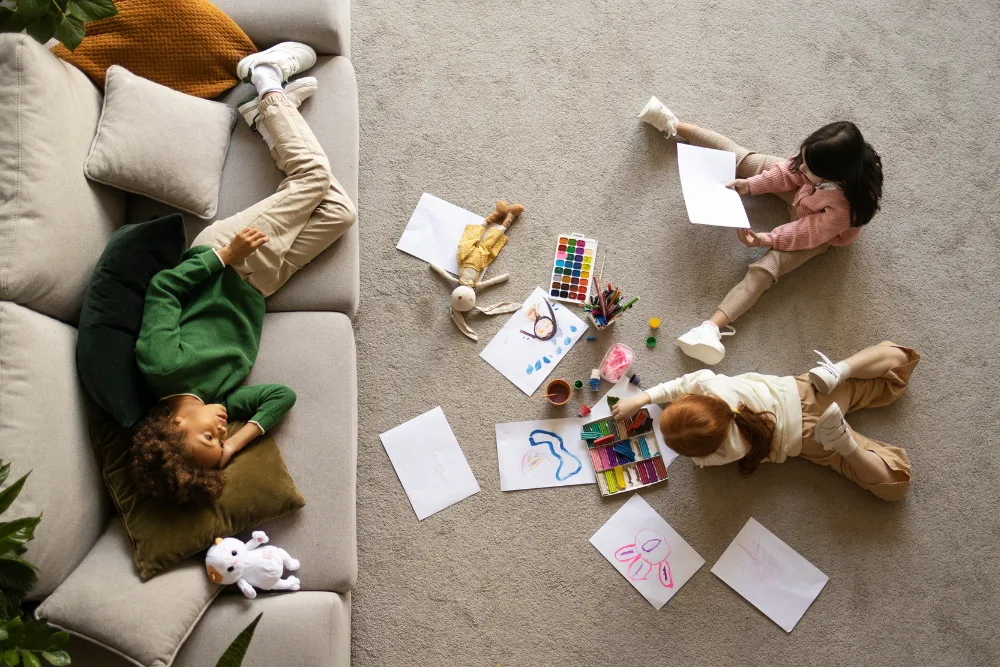
Try These Calming Tools:
- Deep breaths: Pretend to blow bubbles or smell a flower.
- Squeeze toys: Let them hold a squishy ball or stuffed animal.
- Draw or color: Art can help let feelings out on paper.
- Rock gently or swing: Movement can be soothing.
- Water play: Washing hands or playing with water helps relax.
- Soft music: Gentle songs can quiet busy thoughts.
Using these tools can help the child feel more in control. Pick one that works best for their age and mood.
Helping Children Talk About Feelings
Kids don’t always have the words to say what they feel. That’s why it’s important to teach them about emotions. When a child feels emotionally overwhelmed, they need help putting their feelings into words.
Ways to Teach Feeling Words:
- Use books: Read simple stories that talk about feelings.
- Emotion charts: Show pictures of faces with names like happy, sad, mad, scared.
- Model it yourself: Say things like, “I feel frustrated because the computer isn’t working.”
- Praise their sharing: When they say, “I’m sad,” reply with, “Thank you for telling me.”
Let kids know all feelings are okay. It’s okay to feel angry. It’s okay to feel sad. What matters is what we do with those feelings.
Building a Safe and Calm Space at Home
A calm home helps kids feel safe. When life outside feels big, a peaceful home can make things better.
Ways to Build Calm at Home:
- Keep a steady routine: Regular bedtimes and mealtimes help children feel secure.
- Create a quiet corner: A soft chair, blanket, or calming light can make a cozy space.
- Turn off screens sometimes: Too much TV or phone time can add stress.
- Use calm words: Say things like, “Let’s try again” or “It’s okay to feel this way.”
- Hug often: A hug can say, “You are safe” better than any words.
When a child feels emotionally overwhelmed, having a calm place to go can help them recover faster.
Teaching Kids to Handle Big Emotions
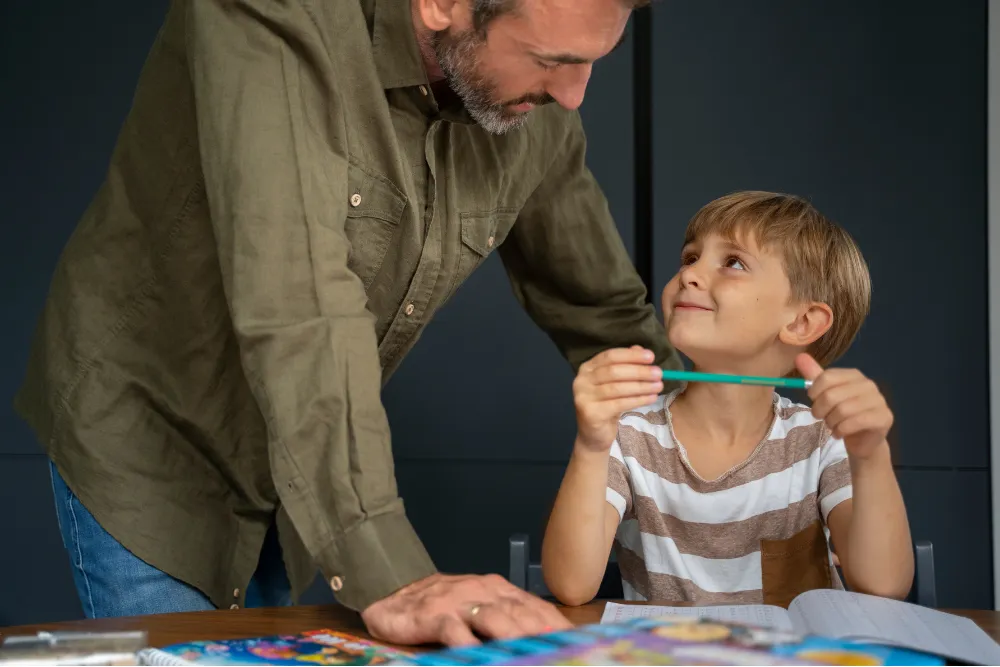
Emotional strength doesn’t come overnight. Kids learn it slowly—just like reading or tying shoes. It takes practice.
Steps to Teach Emotional Skills:
- Name the feeling: “You’re feeling nervous about school today.”
- Explain it’s okay: “Lots of kids feel that way before a test.”
- Offer choices: “Do you want to take three deep breaths or read your book for a minute?”
- Praise effort: “I saw you take a break instead of yelling. That was great!”
Keep doing this again and again. It may not work every time, but over time, it makes a big difference.
When to Get Extra Help
Most of the time, children bounce back with love and care. But sometimes, strong emotions keep coming back again and again. This may mean they need more help.
Signs to Watch For:
- Daily meltdowns or tantrums that last a long time
- Not sleeping well or eating less
- Always feeling afraid or angry
- Saying they don’t want to live or hurting themselves
- Staying away from everyone, even family
In these cases, it’s a good idea to talk to a child therapist or school counsellor. Getting help is not a sign of failure. It means you care deeply and want the best for the child.
Summary of Key Points
- When a child feels emotionally overwhelmed, it means their emotions are too big to handle alone.
- Triggers include changes, noise, tiredness, or feeling left out.
- Look for signs like crying, hiding, or acting out.
- Help by staying calm, using gentle words, and offering calming tools.
- Teach them to name and talk about feelings in simple ways.
- Make home a safe, peaceful place.
- If needed, get extra support from a professional.
FAQs:
How long should a digital detox last for beginners?
If you’re new to digital detoxing, start small—just 1–2 hours a day without screens. Gradually extend this time to half a day or even a full day as you get more comfortable.
Is a digital detox helpful for children?
Absolutely. Kids benefit from less screen time by improving their focus, creativity, and mood. It also encourages healthier play, better sleep, and more family interaction without constant digital distractions.
Can I use my phone for emergency calls during detox?
Yes, safety comes first. You can keep your phone available for emergencies, but avoid checking apps, games, or social media to maintain the mental and emotional benefits of the detox.
Will a digital detox affect my work productivity?
A digital detox can actually improve work productivity. By reducing distractions from constant notifications, you can focus better, think more clearly, and complete tasks more efficiently when you return to work.
Final Thoughts
Every child has big feelings sometimes. That doesn’t mean they are broken. It means they need a helping hand. When a child feels emotionally overwhelmed, adults can be their guide. With patience, love, and simple tools, children can learn how to manage their emotions and feel strong inside.
Helping children today builds a better tomorrow—for them and everyone around them.Visit here for more