
Introduction: Let’s Talk About Feeling Calm and Happy
Sometimes, life feels busy and overwhelming. Kids, parents, teachers—even everyone—can feel a little worried or sad. That’s where mindfulness comes in. Mindfulness is like a superpower that helps people slow down and feel better. It also helps take care of something fundamental for mental health.
In this article, readers will learn what mindfulness is, how it helps with stress, and why it’s important for mental health. Every section uses simple words and ideas so even a third-grade student can understand. Let’s dive in!
What Is Mental Health?
Psychological health means how people feel inside their minds and hearts. It’s about feeling happy, calm, and ready to enjoy life. It also helps people deal with problems, talk to others, and make good choices.
Good mental health helps a person:
- Feel good about themselves
- Handle stress
- Be kind to others
- Stay strong during tough times
If someone feels sad, worried, or angry all the time for many days, they may need help to feel better.
What Is Mindfulness?
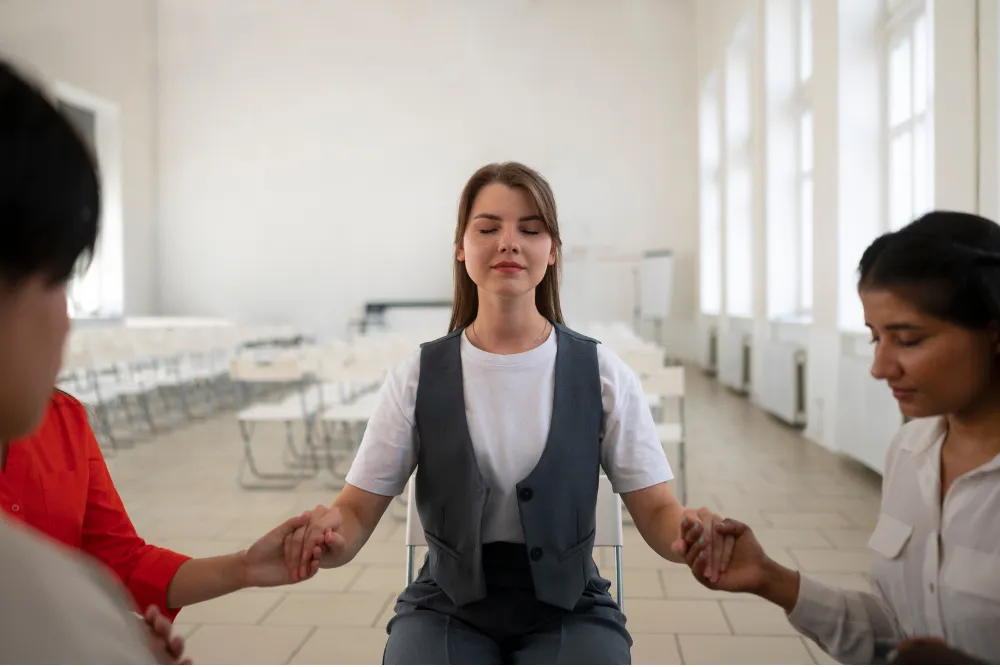
Mindfulness means paying attention to what is happening right now. It means noticing how we feel, what we see, and what we hear—without judging it.
Here’s an example:
If a person is eating an apple, mindfulness helps them enjoy the smell, the taste, and the crunch. They’re not thinking about homework, TV, or worries. They’re just enjoying the apple.
Mindfulness is like pressing the pause button in life. It helps the brain slow down so we don’t feel so rushed or overwhelmed.
Why Do People Feel Stressed?
Stress is what people feel when things feel hard or too much. Even kids can feel stress—like when there’s a big test, too much homework, or a fight with a friend.
Common signs of stress:
- Headaches or stomachaches
- Trouble sleeping
- Feeling angry or nervous
- Wanting to be alone
Stress isn’t always bad. A little stress can help people do well. But too much stress can hurt mind wellness
How Mindfulness Helps with Stress
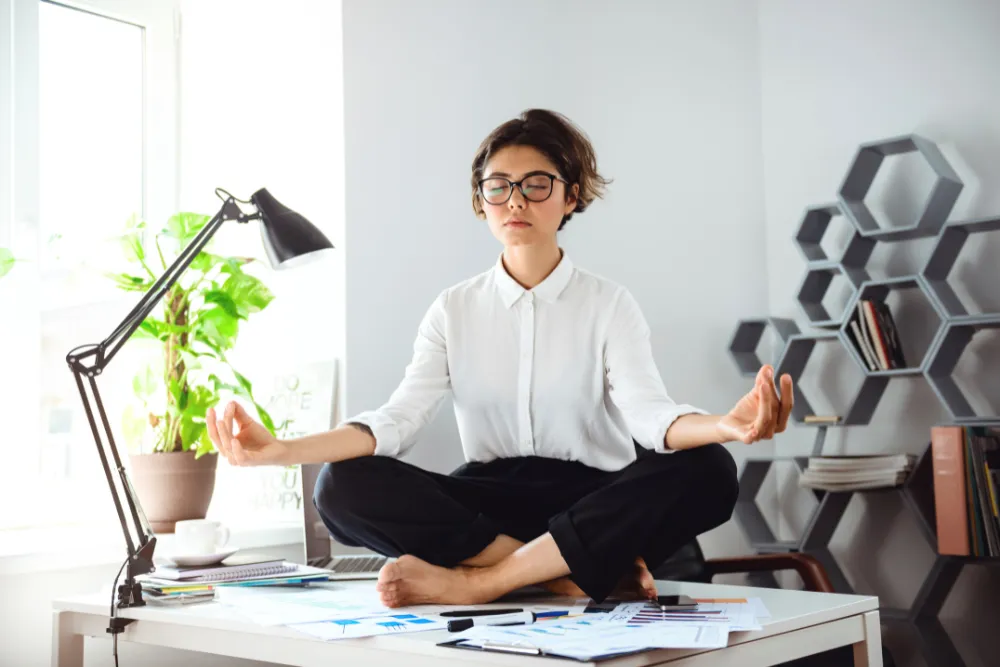
Mindfulness helps people feel calm when life feels heavy. It gives the brain a break.
Here’s how mindfulness helps with stress:
- Slows down racing thoughts
Mindfulness teaches people to take one thing at a time. - Helps with big feelings
Instead of getting mad or sad, mindfulness helps people notice feelings and let them pass. - Gives the body a rest
When people breathe slowly, their heart also calms down. - Helps people sleep better
Mindful thoughts at bedtime can stop worry and bring peaceful sleep.
Simple Mindfulness Activities for Kids and Adults
1. Balloon Breathing
Pretend you are blowing up a balloon. Take a deep breath in through your nose. Blow out slowly through your mouth. Do it five times. Feel your body relax.
2. Five Senses Game
Stop and look around. Notice:
- 5 things you see
- 4 things you can touch
- 3 things you hear
- 2 things you smell
- 1 thing you taste
This game brings your brain back to the present moment.
3. Mindful Coloring
Color slowly. Watch how the crayons move. Stay focused on your hand, your colors, and your drawing.
4. Body Scan
Sit or lie down. Close your eyes. Think about each part of your body—head, arms, tummy, legs. Notice how each part feels. This helps people feel calm and connected to their bodies.
How Mindfulness Improves Mental Health
Mindfulness is good for both kids and adults. Here’s how it helps mental resilience:
- Reduces worry: People who practice mindfulness worry less.
- Brings more joy: Paying attention helps people notice happy things.
- Improves focus: Mindfulness helps with schoolwork and listening.
- Builds stronger friendships: Calm people are better at being kind and patient.
When people feel calm and happy inside, their psychological health gets stronger too.
How to Practice Mindfulness Every Day
Mindfulness doesn’t need a lot of time. It can be part of daily life:
- While eating: Notice your food. Eat slowly and enjoy it.
- While walking: Feel your steps. Look around at trees and clouds.
- While brushing teeth: Focus on how the toothbrush feels.
- Before bed: Take five deep breaths and think of one good thing from the day.
Just a few minutes a day can make a big difference.
What Happens If You Ignore Stress?

Ignoring stress can cause problems. If stress grows too big, it may lead to:
- Anger outbursts
- Sadness or crying
- Stomach aches
- Trouble focusing at school
- Trouble with friends and family
Ignoring stress is like ignoring a small fire. It might grow bigger. But mindfulness helps stop the fire before it spreads.
Who can help with psychological health?
Sometimes mindfulness is not enough. That’s okay! Some people need extra help. Talking to these people can help:
- Parents or caregivers
- Teachers or school helpers
- Doctors or nurses
- Mental health counselors
These people can listen, give ideas, or find more ways to help someone feel better.
Teaching Mindfulness at Home or School
Parents and teachers can teach mindfulness in easy ways:
- Start the day with deep breaths
- Add quiet time during class
- Use calming music
- Encourage students to talk about feelings
- Praise calm and kind behaviour.
Mindfulness makes homes and classrooms feel safe and happy. It helps everyone feel stronger inside.
How Does Mental Health Affect the Body?
Good cognitive well-being helps the whole body. When the mind is calm:
- The heart beats slower
- Breathing gets easier
- Muscles feel less tight
- The immune system stays strong
When people feel sad or worried for too long, their body may feel sick. That’s why caring for mental health is just as important as eating healthy food or getting sleep.
Mindfulness Is Not Just for Bad Days
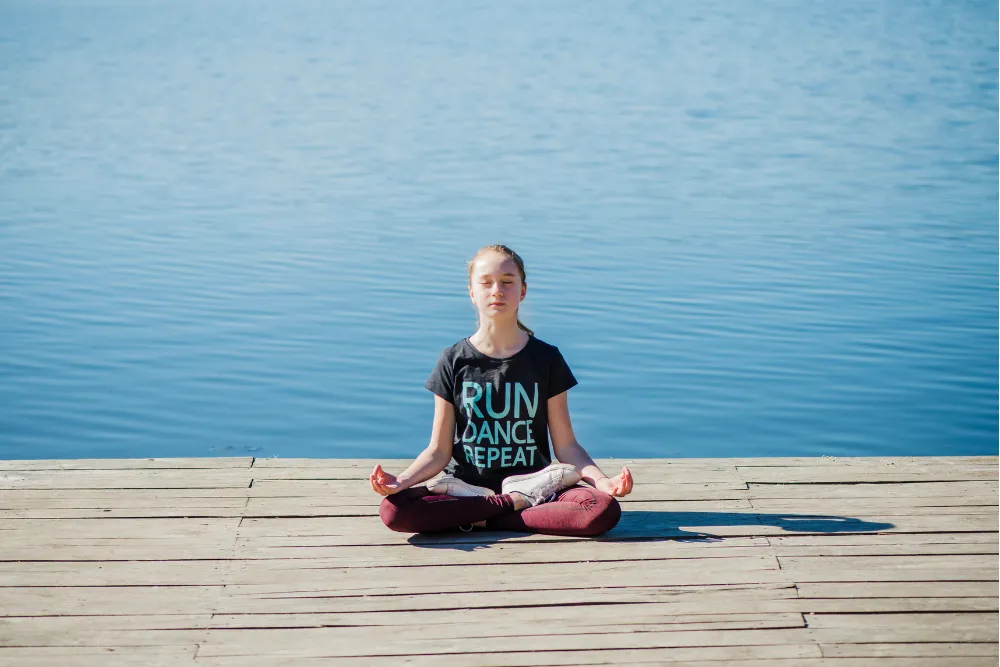
People don’t have to feel sad to use mindfulness. It can help during:
- Happy moments (to enjoy them more)
- Busy times (to slow down)
- Quiet times (to feel peaceful)
Just like brushing teeth keeps the mouth clean, mindfulness keeps the mind clean and strong.
FAQs:
How quickly can mindfulness reduce stress?
Some people feel calmer after just a few minutes of mindful breathing or focusing on the present moment. Others notice changes after practicing daily for a few weeks. Small, consistent steps usually bring the best results.
Is mindfulness safe for everyone?
Yes. Mindfulness is a gentle practice that’s safe for both kids and adults. It doesn’t require special equipment, and it can be adapted to suit different ages, abilities, and comfort levels without causing harm.
Can mindfulness help with anger?
Yes. Mindfulness teaches people to pause before reacting. By noticing feelings early, a person can take deep breaths, calm their body, and choose kinder words or actions instead of acting on strong anger.
How can families practice mindfulness together?
Families can try short breathing exercises, go for mindful walks, play the Five Senses Game, or share one thing they’re grateful for each day. Practicing together builds calm, kindness, and stronger connections at home.
Final Thoughts: A Healthier Mind Starts with Small Steps
Mindfulness is a small tool with big power. It helps people slow down, feel calm, and take care of their mental health. Even a few minutes each day can bring peace, joy, and better health.
Remember:
- Everyone feels stress sometimes.
- Mindfulness helps handle big feelings.
- Good mental health makes life better.
Start with one small step today—and feel the calm grow inside.