

Introduction
Starting something new can feel scary—especially when it’s something important like getting help for a child. If your child has been showing signs of autism or has just gotten an autism diagnosis, you might hear about something called an ABA consultation. This is the first big step in a kind of special help called ABA therapy. But don’t worry! This article will explain everything in a simple way.
You’ll learn what consultation is, what happens during it, how to prepare for it, and what comes next. That way, when the day of your first appointment comes, you’ll feel calm and ready.
What Is an ABA Consultation?
Let’s start with the basics. ABA stands for Applied Behavior Analysis. It’s a type of autism therapy that helps kids learn better ways to behave, talk, and play. Before your child starts ABA therapy, you will have something called an ABA consultation.
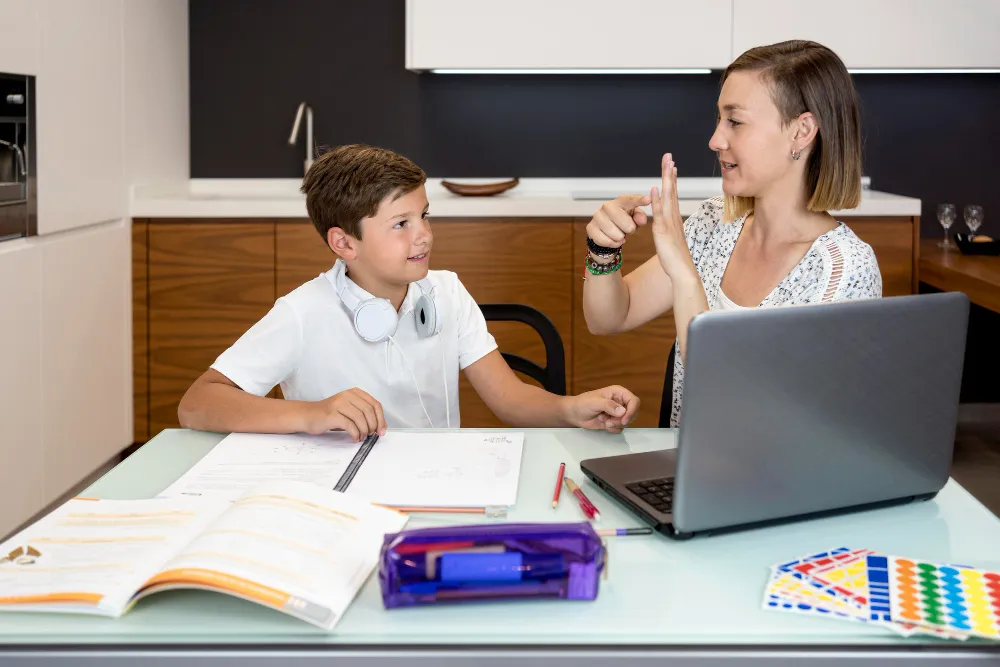
This consultation is like a first meeting. It helps the therapists understand your child. They will ask questions, observe your child, and gather helpful information. Think of it like a friendly talk where everyone is trying to learn how to help your child grow.
The consultation is not a treatment session. It is a time for learning, sharing, and planning.
Why Is the First ABA Consultation So Important?
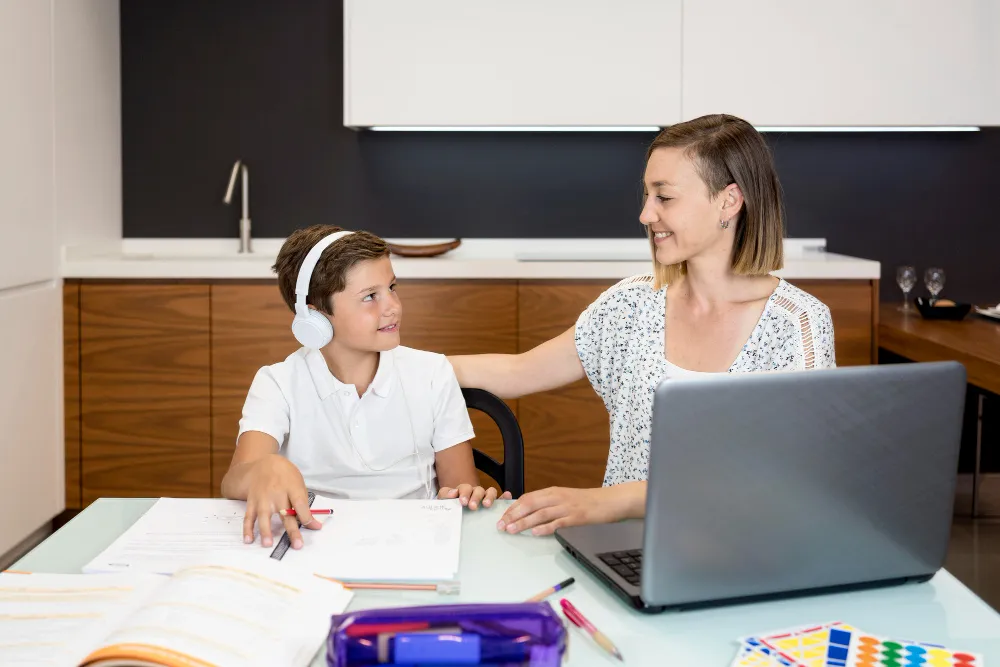
The first ABA consultation is super important because it’s where the journey begins. Imagine building a house. You can’t start without a strong plan. The consultation is like that plan—it helps the therapists know what tools and steps to use to help your child.
During this time, parents share stories and information. Therapists ask questions and may play with the child or watch how they act. They want to know things like:
- How does your child talk or communicate?
- What kinds of child behavior do you see at home?
- What makes your child happy or upset?
This helps the therapist make a special autism treatment plan that fits your child’s needs.
The Parent Interview: Sharing What You Know
One big part of the ABA consultation is something called a parent interview. This is when the therapist sits down with the parent or caregiver and asks many helpful questions.
Some of the questions may sound like:
- “What time does your child wake up?”
- “How does your child play?”
- “Do they like being around other people?”
- “What are your biggest concerns?”
This is a time for parents to speak freely. The therapist isn’t judging—they just want to learn as much as possible.
Why is this important? Because individuals know themselves best. They notice how stress, emotions, and daily habits affect their mental health in ways others may not see. By practising mindfulness, people can pay closer attention to these small signs, which helps build a stronger and healthier plan for managing stress and improving overall wellbeing.
Behavioral Assessment: Watching and Learning
Another part of the first ABA consultation is something called a behavioural assessment. That might sound like a big word, but it’s really just a way of saying, “Let’s watch and see how your child behaves.”
The therapist may:
- Watch your child play with toys
- Talk to your child or give simple tasks
- See how your child responds to different sounds, people, or activities
The goal is to see what your child does and how they react. For example, does your child look at people when they talk? Do they follow instructions? Do they get upset when things change?
All of this information helps the therapist understand your child’s needs. It’s like putting puzzle pieces together to see the full picture.
This step is very important for creating the right autism treatment plan later on.
What Happens After the ABA Consultation?
After the parent interview and behavioural assessment are complete, the therapist starts to build a plan. This plan is called an ‘individualised treatment plan‘ or ‘autism treatment plan‘.
Here’s what the plan usually includes:
- A list of developmental goals (like learning to say words, follow rules, or make friends)
- How many hours of ABA therapy your child should get each week
- What things the therapy will focus on first (like language or self-care)
- Notes from the parent interview and behavioral assessment
This plan helps guide the next steps in the therapy process. It also gives parents a clear idea of what their child will be working on.
How ABA Therapy Works After the Consultation
Once the plan is ready, it’s time to begin ABA therapy. This is when your child starts working with a therapist regularly.
Therapy might happen at home, at a clinic, or sometimes even at school. The therapist uses fun activities, games, and rewards to help your child learn new skills. For example:
- Learning how to say “hello” and “bye”
- Asking for help when needed
- Waiting for a turn while playing
- Following simple directions
Each session is planned using the goals set during the ABA consultation. The therapist keeps track of how your child is doing and changes the plan if needed.
Tips for Parents: How to Prepare for the First ABA Consultation
Parents can play a big role in making the first ABA consultation go smoothly. Here are some simple tips:

1. Gather Information
Bring any reports or documents you have. This might include:
- Doctor’s notes
- School records
- Previous evaluations
These help the therapist learn more about your child.
2. Write Down Questions
It’s okay to have questions. You can ask:
- What will therapy look like?
- How long will it take to see changes?
- How can I help my child at home?
3. Talk Honestly
Don’t worry about saying the “right” thing. Just share what you see every day. If your child gets upset in certain places or has a favorite toy, say so. All of this helps build the best plan.
4. Involve Your Child
If your child is comfortable, tell them what will happen. For example:
“We’re going to meet someone who wants to help you learn and play.”
This can make the visit feel less scary.
How ABA Consultation Supports Long-Term Growth
The ABA consultation is not just a one-time event. It is the first building block for long-term learning and growth. It gives therapists and parents a shared starting point.
Through ABA therapy, kids can improve how they speak, act, and interact with others. Over time, they learn skills that help them at home, in school, and with friends.
Even though the first visit may feel new and unknown, it sets up a strong path forward.
FAQ:
Can siblings attend the ABA consultation too?
It’s best to bring only the child being evaluated to avoid distractions. If siblings must attend, try to bring quiet toys or activities to help them stay occupied during the session.
How long does the first ABA consultation usually last?
The first consultation can take 1 to 2 hours, depending on your child’s needs and how much information is shared. It includes interviews, observations, and possibly some basic skill activities.
Will I receive a written report after the consultation?
Yes, most providers give a written summary or report outlining your child’s strengths, needs, and next steps. This document often includes recommendations for therapy and developmental goals.
Is it okay if my child doesn't cooperate during the consultation?
Absolutely. Therapists understand that children may feel shy, anxious, or overwhelmed. They are trained to work around these challenges and still gather helpful insights for the treatment plan.
Final Words for Parents
If you’re getting ready for your first ABA consultation, know this—you’re doing something wonderful for your child. This first step may seem big, but it leads to so many good things.
From the parent interview to the behavioral assessment, every part of the process helps create a plan that fits your child perfectly. The ABA consultation helps experts understand your child and guide them with love, care, and skill.
You are not alone. Many families have taken this same step and have seen their children grow, learn, and shine.